Finding the right typography for a vintage or edgy project can take hours of scrolling through endless libraries. If you need something with a classic gothic aesthetic, the Beardsons Font offers a distinct blackletter style. You can download Beardsons to start experimenting with its medieval calligraphy details. This script is highly suitable for custom apparel, branding, and craft projects that require a bold, historical edge. Whether you are a small business owner creating a new clothing line or a hobbyist making custom decals, choosing a typeface with strong character immediately sets the tone for your work.
What kind of projects fit a medieval blackletter style?
Heavy, decorative lettering works best when it matches the mood of the product. Because of its sharp angles and dense strokes, this specific typeface is a popular choice for streetwear apparel. Print-on-demand sellers frequently use similar gothic scripts for graphic tees, hoodies, and skateboard decks. The vintage feel translates perfectly to distressed prints, giving merchandise an authentic, worn-in look right off the press.
Beyond clothing, this style is heavily requested in the tattoo industry. Tattoo flash artists use blackletter to create traditional banners, quotes, and custom lettering for clients. It is also a favorite among crafters who design wooden signs or laser-engraved items. The intricate details of the characters add a handcrafted touch to home decor that standard sans-serif fonts simply cannot replicate.
How do you balance heavy gothic fonts in a layout?
Working with dense calligraphy requires a careful approach to layout. Because the characters are highly ornamental, they can become difficult to read if you use them for long paragraphs or small text. The best practice is to reserve this font for headlines, logos, and short quotes.
To create a balanced design, pair it with a very simple, clean typeface for your secondary text. A minimalist sans-serif will give the eyes a place to rest while letting the gothic lettering stand out. When building a broader brand identity, you might need multiple styles to complete your kit. You can explore more options in this selection of traditional gothic typography to find complementary scripts that share the same historical roots but offer different weights and widths.
Is this lettering easy to cut for vinyl crafts?
For crafters using machines like Cricut or Silhouette, intricate fonts can sometimes present a weeding challenge. The sharp serifs and tight intersections common in blackletter designs mean you need to prepare your file correctly before cutting.
- Increase the size: Keep your text large enough so the small details do not tear during the weeding process.
- Adjust letter spacing: Gothic fonts often overlap. Expanding the kerning slightly can prevent the vinyl from peeling up at the edges.
- Use high-quality materials: Opt for premium vinyl and a sharp blade to ensure clean cuts around the complex corners of the letters.
If you are using a thicker adhesive vinyl or heat transfer vinyl, the solid strokes of this font will hold up very well on fabric and hard surfaces alike.
What file formats are included and how do you install them?
Most professional typefaces come in both OTF (OpenType Font) and TTF (TrueType Font) formats. The OTF version is generally preferred for design software like Adobe Illustrator or Photoshop because it supports advanced typographic features, such as ligatures and alternate characters. The TTF version is perfectly fine for basic word processors and most crafting software.
Installing the files on your computer only takes a minute. On a Mac, you simply double-click the downloaded file and select Install Font. On a Windows PC, right-click the file and choose Install. Once installed, the typeface will immediately appear in the font dropdown menu of your design programs, ready for your next project.
How should you prepare your design files for printing?
Before sending your artwork to a print-on-demand partner or a local screen printer, always outline your text. Outlining converts the live text into vector shapes. This ensures that your design will look exactly the same on the printer's computer, even if they do not have the specific font installed. In Adobe Illustrator, you can do this by selecting the text and pressing Ctrl+Shift+O (or Cmd+Shift+O on Mac).
What are the next steps for starting your vintage typography project?
Getting started with a new typeface is straightforward when you have a clear plan. Use this quick checklist before you begin designing:
- Define the core message of your design and ensure a heavy script matches the tone.
- Write out your main quote or brand name and test the readability at different sizes.
- Select a secondary, highly legible font for any supporting details or dates.
- Choose a color palette that reflects the vintage aesthetic, such as muted earth tones or stark black and white.
- Convert all text to outlines before exporting your final PNG or vector file for production.
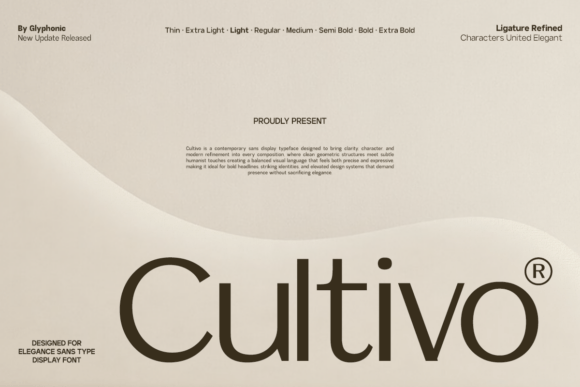 Cultivo Font: Versatile Typography for Modern Design
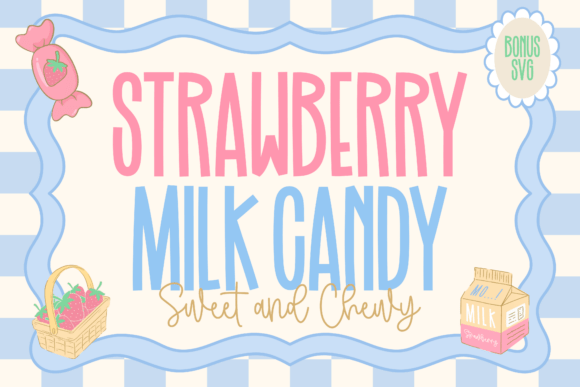 Create Sweet Designs with Strawberry Milk Candy Font
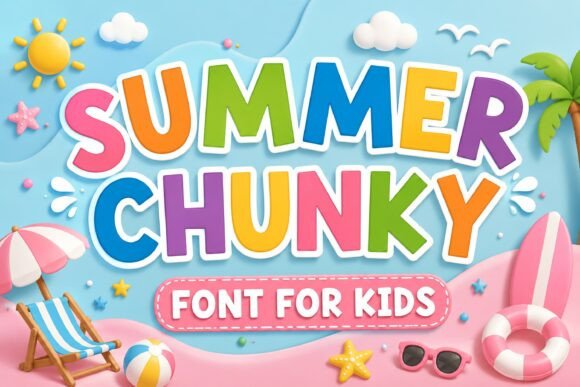 Creative Summer Chunky Font Design Ideas
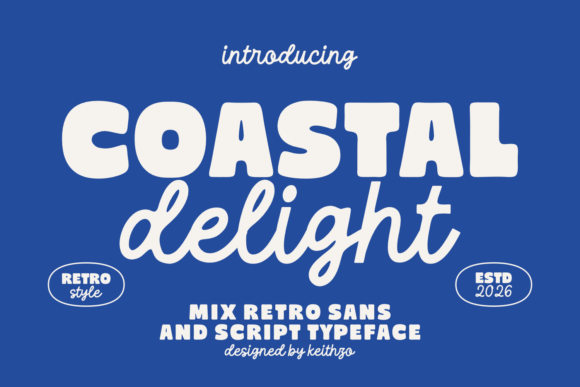 Coastal Delight Font: Breezy Design Inspiration
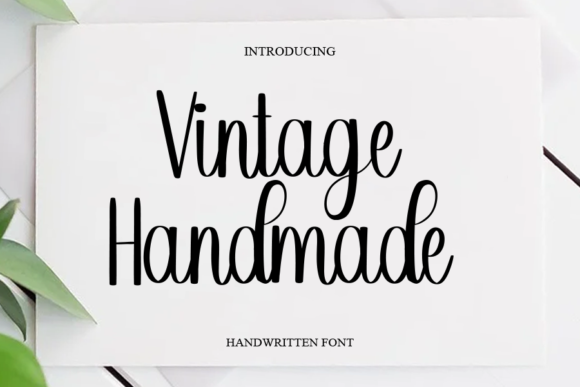 Elevate Your Designs with a Vintage Handmade Font
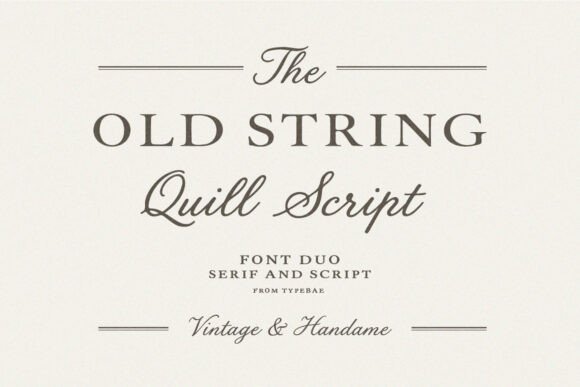 Old String Font: Creative Design and Project Ideas