If you are working on a summer-themed project and need a typeface that feels like a warm beach vacation, the Coconut Bay Font is a great choice to consider. This bold, handwritten script brings a relaxed island personality to your work, making it ideal for crafters, print-on-demand sellers, and small business owners looking to add a cheerful, coastal vibe to their creations.
What makes this typeface stand out for summer projects?
When you are designing beach-themed branding or summer merchandise, the visual weight of your letters matters. This specific script uses thick, smooth brush strokes that catch the eye without feeling overly aggressive. The natural curves give it a relaxed, hand-drawn feel, which works beautifully for casual invitations, t-shirt graphics, or handmade greeting cards. Unlike rigid digital fonts, it carries a friendly atmosphere that connects well with audiences looking for a fun, vacation-ready aesthetic. The relaxed island personality means it feels approachable and warm, which is exactly what customers want to see when they are shopping for seasonal goods.
How can I use this style in my craft or business?
You can apply this tropical style across a wide range of mediums. For print-on-demand sellers, it looks fantastic on canvas tote bags, sunglasses packaging, and summer apparel. Small businesses can use it for seasonal social media graphics, limited-time promotional banners, or even physical signage for a pop-up beach shop. It is also highly effective for digital products like summer planners, vacation scrapbooking kits, or digital invitation templates.
If you are pairing it with other styles, you might want to balance the boldness with something simpler. For instance, if you are designing a beach wedding invite, you could pair it with a clean layout meant for photography to keep the details readable. Or, if you are creating a brand identity for a coastal boutique, mixing it with a structured duo option can give your logo a nice contrast between playful and professional.
What should I keep in mind when pairing handwritten scripts?
Pairing bold scripts can be tricky because you do not want your design to look cluttered or overwhelming. A good rule of thumb is to let the main script handle the headlines while using a simpler, highly legible font for the body text. If you are working on a school-themed summer camp flyer, you might combine this beachy script with a more structured educational style to maintain clarity for the parents reading the details.
Similarly, if you are designing a lifestyle brand or a personal blog header, you could mix it with a flowing script style for secondary elements, or use a bright layout option for your background textures to keep the entire project feeling cohesive and vibrant. The key is to ensure that the secondary fonts do not compete with the main script for attention.
Are there any technical details I need to know before downloading?
Before you start your design, it is always helpful to check the file formats included in your download. Most modern script fonts come with both TrueType and OpenType files, ensuring compatibility with software like Illustrator, Photoshop, Canva, and Cricut Design Space. Look for PUA (Private Use Area) encoding if you plan to use it with cutting machines or design apps that do not support OpenType features. This encoding allows you to access the swashes, ligatures, and alternate characters directly from your font panel without needing specialized software. Always make sure to install the font properly and restart your design program if it does not show up in your drop-down menu immediately.
Quick checklist for your next tropical design:
- Test the sizing: Bold scripts can lose their detail when scaled down, so check how it looks at smaller sizes before finalizing your layout.
- Check the licensing: Always verify if the license covers commercial use, especially if you are selling physical products, digital templates, or print-on-demand items.
- Use contrasting colors: Pair the font with bright colors like coral, turquoise, or sunny yellow to enhance the coastal feel and ensure it pops against your background.
- Keep the background simple: Let the natural curves of the letters stand out by avoiding overly busy background patterns or heavy textures.
- Save your outlines: If you are sending files to a printer or a client who might not have the font installed, convert your text to outlines or curves to preserve the exact look.
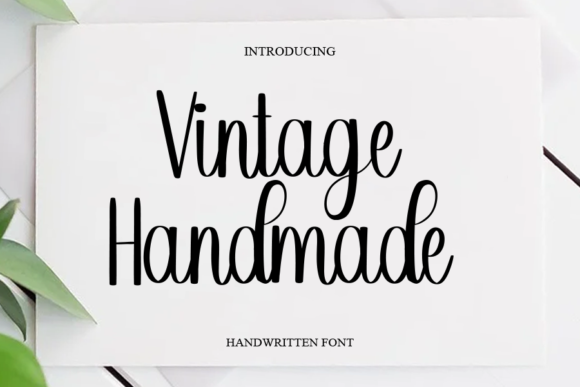 Elevate Your Designs with a Vintage Handmade Font
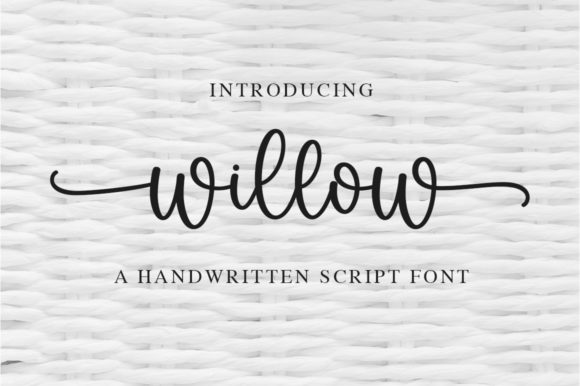 Willow Font: Elegant Typography for Creative Projects
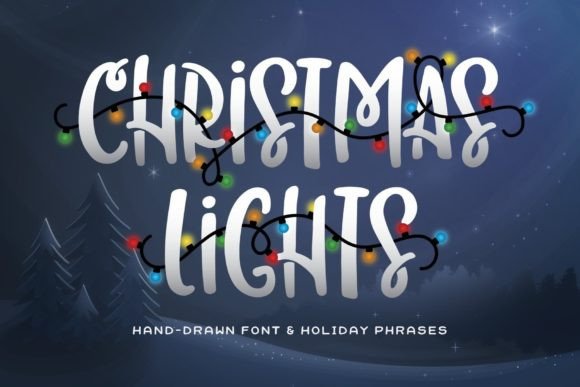 Elevate Holiday Designs with a Christmas Lights Font
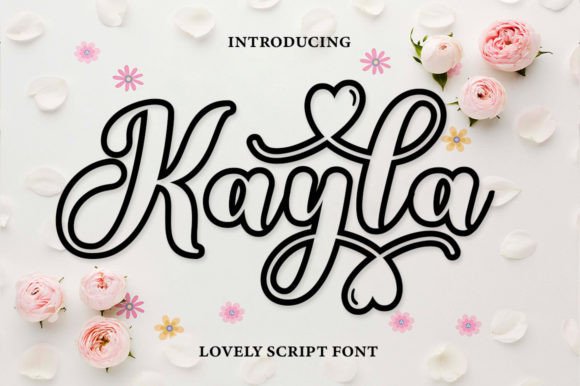 Creative Project Ideas for Kayla Outline Font
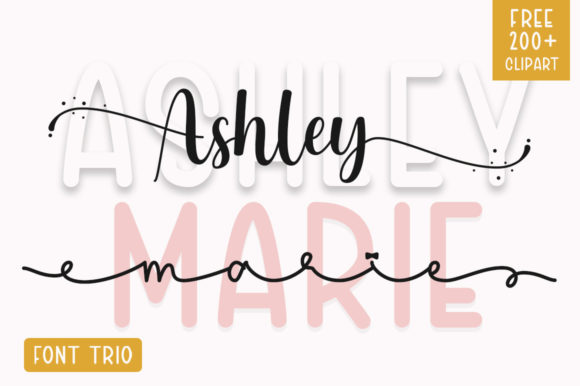 Ashley Marie Font: Elevate Your Creative Projects
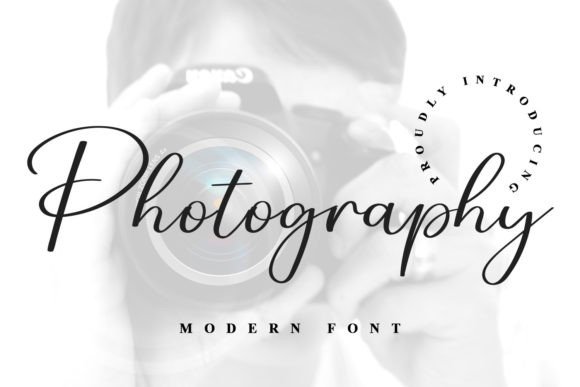 Best Photography Font Pairings for Portfolios