When you are designing wedding invitations or crafting heartfelt cards, the typography you choose sets the entire mood. The School Font is a handwritten typeface that brings a warm, friendly vibe to your projects. It feels approachable and playful, making it a favorite among crafters and small business owners who want their designs to feel personal. If you need a script that connects with your audience without looking overly formal, this style is a fantastic choice. You can easily explore this specific handwritten style to see how its charming loops and natural flow can transform your everyday designs into something truly special.
What makes this handwritten style stand out?
The main appeal of School lies in its balance. It is playful enough to feel fun and youthful, yet structured enough to remain readable and classy. Many handwritten fonts lean too far into messy territory, making them hard to read on smaller items like stickers or product labels. This typeface avoids that trap by keeping the letterforms clean while maintaining the organic, imperfect feel of real penmanship.
For print-on-demand sellers, this readability is crucial. Whether you are printing on a ceramic mug, a canvas tote bag, or a simple greeting card, the text needs to be legible from a distance. The natural warmth of the strokes helps create an emotional connection with the buyer, which is exactly what drives sales in the handmade and personalized goods market.
Where should you use playful scripts in your shop?
Knowing where to apply a friendly script can make or break a design. Here are a few practical ways to use it in your creative business:
- Wedding Invitations: Use it for the couple's names or a sweet subtitle to add a personal touch to formal stationery.
- Greeting Cards: It works beautifully for birthdays, anniversaries, or thank you notes where a warm tone is needed.
- Apparel and Accessories: Pair it with simple graphics on t-shirts or tote bags for a trendy, boutique look.
- Digital Planners: Add it to digital stickers or planner covers to give users a cozy, customized feel.
If you are working on a romantic project and want to compare options, you might also want to explore this romantic alternative like Heart Style, which offers a slightly more delicate and affectionate aesthetic.
How does it pair with other typefaces?
A common question among designers is how to mix scripts with other fonts without creating visual clutter. The rule of thumb is contrast. Since this handwritten typeface has a lot of personality and movement, you should pair it with something quiet and stable.
A clean, geometric sans-serif works perfectly for the body text, allowing the script to shine as the focal point. If you prefer a more traditional look, a classic serif font can add a touch of elegance. For instance, if you are designing a formal event menu, pairing a playful header with a refined body font like Maddison creates a beautiful, professional contrast. You can check out this elegant pairing option to see how different weights interact on the page.
Can it work for seasonal and holiday projects?
Absolutely. While it is highly versatile for everyday use, its friendly nature makes it highly adaptable for seasonal themes. During the winter months, you can use it for holiday tags, gift wrap designs, and festive social media posts. If you need something specifically themed for the holidays, you can browse this festive holiday choice such as Christmas Lights to add a literal glow to your seasonal graphics.
On the other hand, when summer arrives, the same friendly vibe translates well to beach-themed party invites or tropical product labels. For those warmer projects, you might want to try this tropical script like Coconut Bay to capture a relaxed, sunny aesthetic.
Quick tips for using handwritten fonts in your workflow
To get the best results when working with script typefaces, keep these practical steps in mind:
- Check the ligatures: Always look at how the letters connect. Adjust the tracking if the connections look cramped or overly stretched.
- Mind the x-height: Ensure the lowercase letters are tall enough to remain readable when scaled down for small products.
- Use color wisely: Handwritten fonts often look best in deep, rich colors or soft pastels rather than harsh, neon shades.
- Test in print: Always print a physical proof before finalizing a design, as screens can sometimes make thin script strokes look thicker or thinner than they actually are.
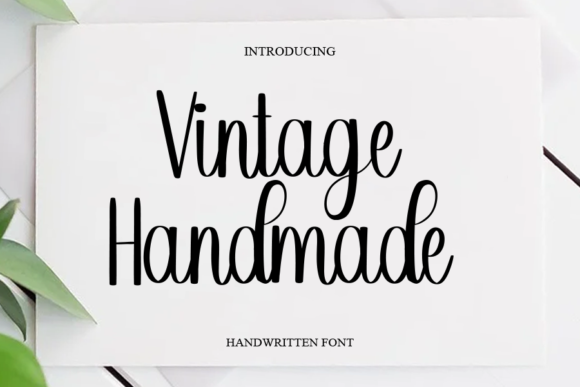 Elevate Your Designs with a Vintage Handmade Font
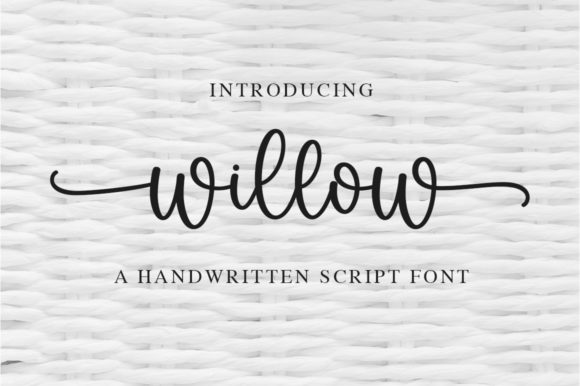 Willow Font: Elegant Typography for Creative Projects
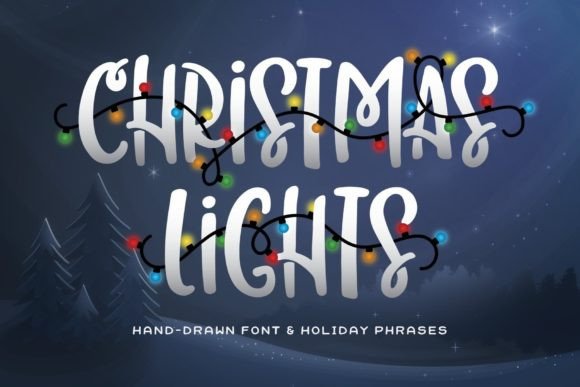 Elevate Holiday Designs with a Christmas Lights Font
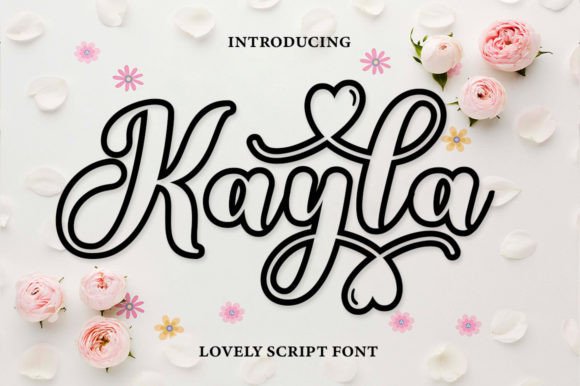 Creative Project Ideas for Kayla Outline Font
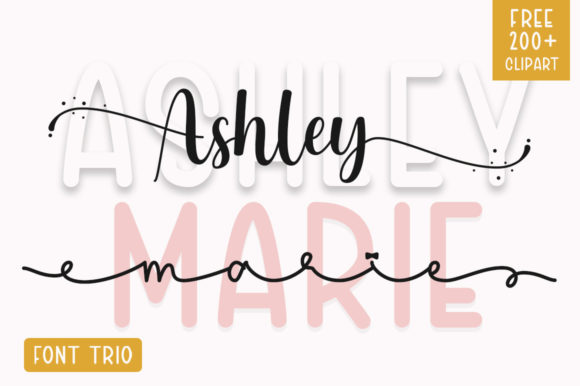 Ashley Marie Font: Elevate Your Creative Projects
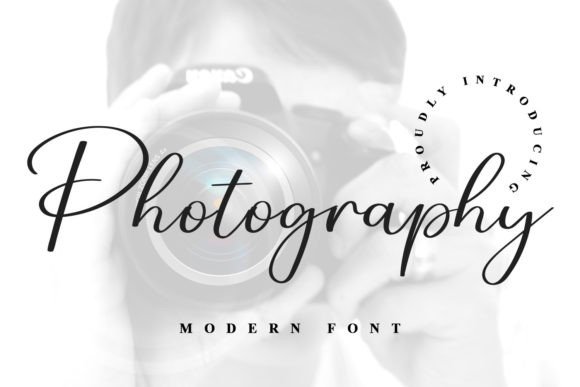 Best Photography Font Pairings for Portfolios